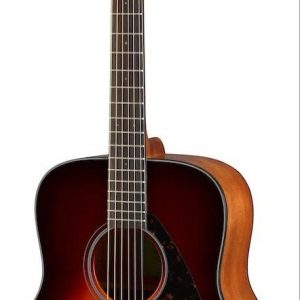
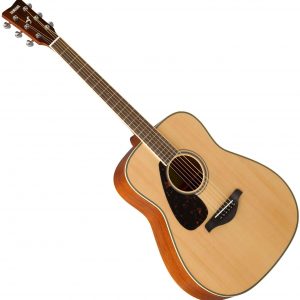
 Yamaha FG800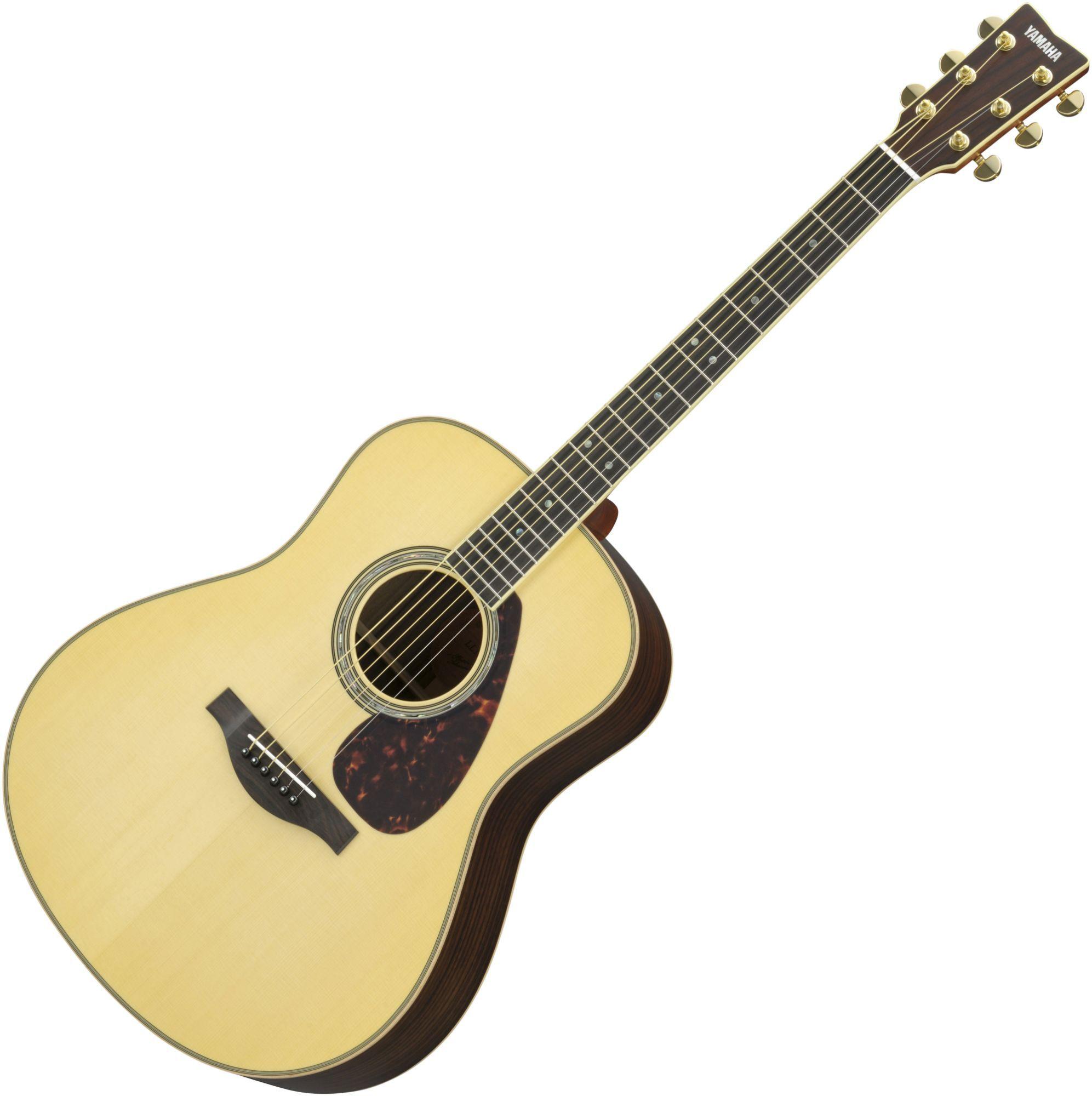
Description
Yamaha LL16 ARE Acoustic Guitar: The Perfect Choice for Acoustic Guitar Lovers
Yamaha has been a respected name in the music industry for decades, known for producing quality instruments that are both affordable and durable. Their LL16 ARE acoustic guitar is no exception. This guitar is perfect for anyone who loves the sound of an acoustic guitar and wants a high-quality, versatile instrument that can be used for a range of playing styles.
The LL16 ARE guitar is part of Yamaha’s L Series, which is known for its superior craftsmanship, tone, and playability. The body of the guitar is made from solid Engelmann spruce, which is a top-quality wood that produces rich, warm tones. The back and sides of the guitar are made from solid rosewood, which not only looks beautiful but also adds to the guitar’s resonance and sustain.
One of the standout features of the LL16 ARE guitar is the Acoustic Resonance Enhancement (ARE) technology that Yamaha uses in the manufacturing process. This technology involves taking the wood through a special, heat-treatment process that mimics the aging process of wood. The result is a guitar that sounds like it has been played for years, with a mature, full-bodied sound that will only get better with time.
The LL16 ARE guitar is also very comfortable to play, thanks to its slim, tapered neck and smooth, rounded fretboard. The neck is made from mahogany, which is a strong and stable wood that can handle the stress of string tension. The guitar has a traditional Western body shape, which means it has a large lower bout and a smaller upper bout, giving it a classic look.
The LL16 ARE guitar also comes with high-quality features, such as a bone nut and saddle, die-cast tuners, and a built-in pickup system. The bone nut and saddle are known for producing a more natural tone than their plastic counterparts, while the die-cast tuners ensure that the guitar stays in tune for longer periods of time.
The pickup system on the LL16 ARE guitar is the SRT Zero Impact pickup, which allows the guitar to produce incredibly natural-sounding plugged-in tones. The pickup system is very simple to use, with just a volume and tone knob, and it allows the guitar to be amplified without compromising its acoustic sound.
Overall, the Yamaha LL16 ARE acoustic guitar is a fantastic option for anyone who loves acoustic guitars. It’s versatile, durable, and produces a beautiful, mature sound that will only get better with time. Whether you’re an experienced player or just starting out, the LL16 ARE guitar is definitely worth considering if you’re in the market for a high-quality, all-around acoustic guitar.
Yamaha LL16 ARE properties
| Product name | LL16 ARE |
| Brand | Yamaha |
| Type | String Instruments |
| String Instruments | Acoustic Guitar |
| String Type | Steel |
| Built-in Microphone | No |
| Cutaway | No Cutaway |
| Size | 4/4 |
Burn –
Classical guitar with great sound, price adequate to quality, good guitar for beginners, it is good to start with a classical guitar because your fingers will not hurt so much and therefore you will not be discouraged. Yamaha guitar will serve for many years, great guitar for learning and playing around the fire. I heartily recommend it !!
Andrew Ramsey –
So, you’re looking at an acoustic guitar and wondering why some have that little Built-in Microphone and others just… don’t? Let’s break it down before you end up accidentally trying to plug your guitar into a toaster. A built-in microphone is essentially a tiny, high-fidelity ear tucked away inside the body of the instrument, specifically designed to capture the natural resonance and soul of the wood. Think of it as the guitar’s own internal narrator. When a guitar lacks this, it means the sound isn’t being fed to the electronics from the inside; instead, the system has to rely on external pickups or different processing. If you’re looking for that raw, woody warmth without any digital interference, missing a mic might be fine, but for those who want that studio-in-a-box feel, not having one is like trying to eat a sandwich without the bread it’s technically possible, but your experience is going to be a little… dry.
I actually first laid eyes on this specific model at the store located at [Insert Store Location], and let me tell you, it’s a beast. This particular instrument connects seamlessly with the internal preamp and the onboard EQ, allowing you to dial in your tone like you’re mixing a hit record in your bedroom. For the amateur, it’s like having a personal sound engineer who lives inside your guitar, making sure you don’t sound like a buzzing beehive during your open mic night. For the professional, however, it’s about precision and dynamic range it’s the difference between sounding good and sounding like a million bucks on a sold-out stage. It handles the nuances of a delicate fingerstyle piece just as gracefully as a heavy, percussive strum.
Now, I have to take a break from my musical high to talk about some wild tech news I stumbled upon today. A friend recommended a fascinating piece regarding an Automated Comet browser from Perplexity. I just saw this and honestly, my brain did a backflip. We are moving into an era where browsers might just browse for us while we sit back and eat snacks. It makes me wonder: if an automated browser can navigate the cosmos of the internet for us, will we eventually reach a point where our guitars also auto-tune our life choices to be more harmonious? Or are we just creating a world where we’re too lazy to even pick a chord ourselves? I’d love to hear your thoughts on whether this level of automation in browsing mirrors the way we want our instruments to handle the heavy lifting of sound engineering! Huge congratulations to the author for shedding light on such a futuristic topic!
Anyway, back to the music. Don’t let the lack of a mic scare you, but do make sure you know what you’re trading off. If you want the guitar to do the talking for you, make sure it’s got the right voice inside!