Description
Roland LX-706 Piano: A Masterpiece for Performance and Recording
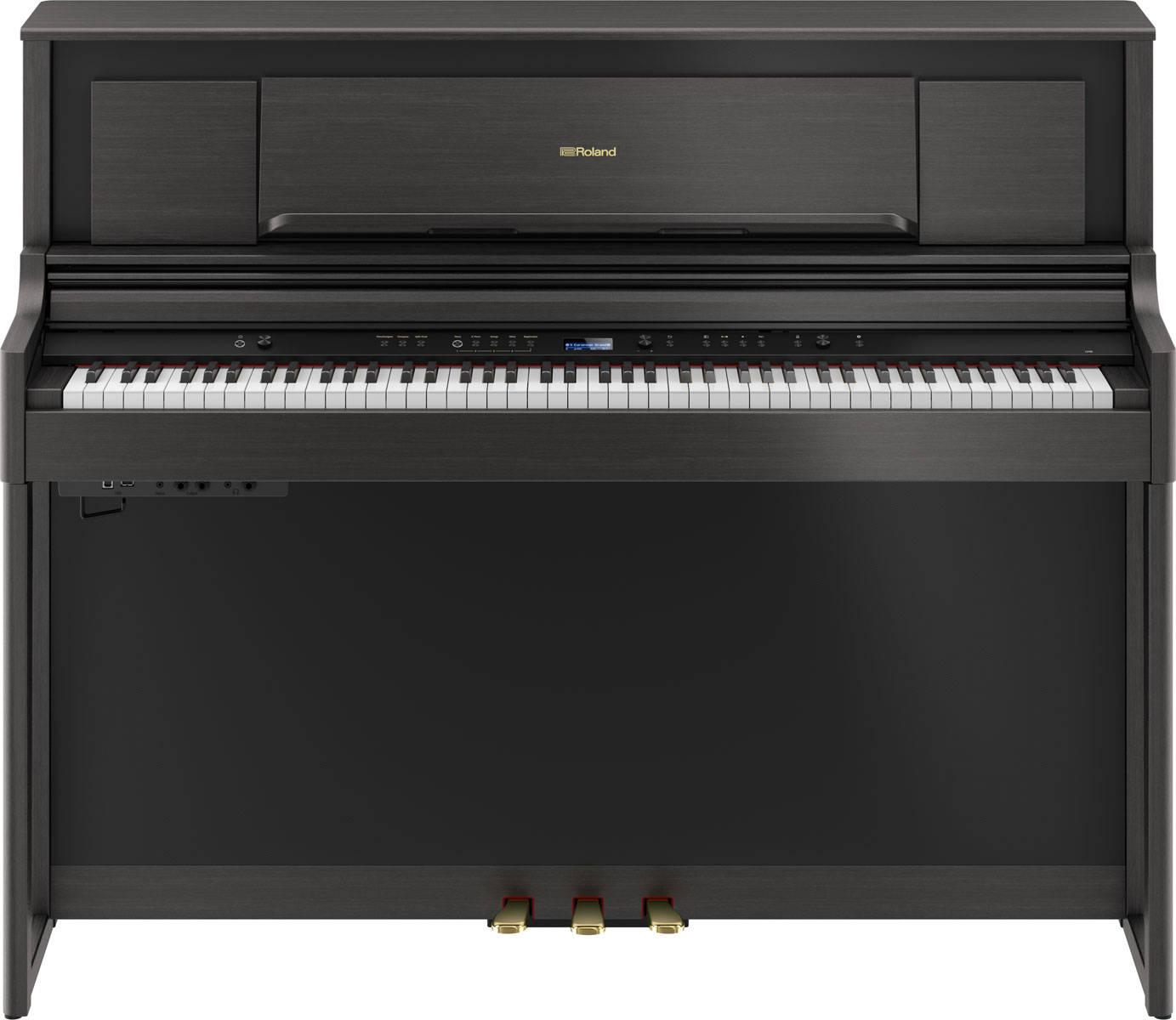
If you’re looking for a top-of-the-line digital piano that can cater to both your performance and recording needs, the Roland LX-706 is an excellent option to consider. The LX-706 is part of Roland’s flagship LX700 series, which boasts a pristine sound, advanced technologies, and realistic touch that rivals high-end acoustic pianos.
Design and Features
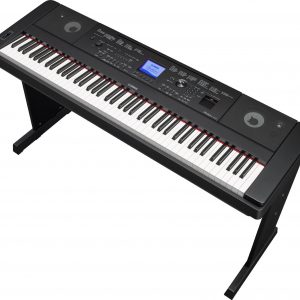
The Roland LX-706 features an elegant cabinet design that resembles a traditional upright piano. The polished ebony or white finish gives it a sophisticated look that would complement any modern décor. The piano is equipped with Roland’s signature PHA-50 keyboard that combines wood and molded materials to deliver an authentic touch that feels like an acoustic. The keys are also longer than the standard 88-key keyboard, providing a wider range and greater expression.
One of the most remarkable features of the LX-706 is the sound engine that reproduces the tonal qualities of two world-class pianos – the European grand and American grand pianos. The engine uses Roland’s flagship sound processing technology, Sample Modeling, to capture the nuances of the piano’s tone, resonance, and harmonics accurately. The result is a warm, detailed, and natural sound that can satisfy even the most discerning ear.
In addition to the traditional acoustic piano sounds, the Roland LX-706 offers a variety of other instrument sounds, including electric pianos, organs, harpsichords, and strings. You can also adjust the sound’s parameters, such as brilliance, damping, and string resonance, to suit your playing style and environment.
Performance and Recording Capabilities
The Roland LX-706 is not just a piano for personal use; it’s a piano built for performance and recording. The piano comes with an advanced audio system that consists of eight speakers and a powerful amplifier that delivers 180 watts of output. The speakers are strategically positioned to provide an immersive sound that fills the room and replicates the spatial qualities of an acoustic grand piano.
The LX-706 also features Bluetooth audio and MIDI connectivity that allows you to stream music from your smartphone or tablet or connect to other devices for recording or playing along to backing tracks. The piano has USB audio and MIDI interface, making it easy to record and edit your performances using digital audio workstations (DAWs) or music production software.
Conclusion
Roland has always been synonymous with quality and innovation, and that reputation is on full display with the LX-706 piano. The combination of the realistic touch, impeccable sound, and advanced features make it an excellent investment for any level of pianist, from beginners to professionals. Whether you want to practice, perform, or record your music, the Roland LX-706 can deliver an exceptional experience that makes you feel like you’re playing on a grand stage.
Roland LX-706 properties
| Product name | LX-706 |
| Brand | Roland |
| Type | Keyboard Instruments |
| Keyboard Instrument | Stage and Digital Piano |
| Keys | Yes |
| Number of Keys | 88 pcs |
| Key Functions | Dual Layer, Split, Touch Sensitive |
| Pre-Programmed Songs | Yes |
| Pre-Programmed Sounds | Yes |
| Pre-Programmed Effects | Yes |
| Speakers | Yes |
| Supported Audio Files | MP3, WAV |
| Connections | USB |
| Colour | Black, Brown |
| Power Supply | Electrical Cable to Wall Socket |
Erick –
You were seated in a quiet corner of the China-Restaurant Krefeld with Kai French, sipping a lukewarm tea when the clatter of your friend’s fingers on an aging keyboard echoed like a warning: this instrument was no longer a partner. The moment crystallized a decision to upgrade, but not just any upgrade. Keys in stage and digital pianos are not mere surfaces; they are the soul of expression. A weighted key action (often found in professional models) delivers the tactile precision of an acoustic piano, while lighter, synth-based keys offer versatility for electronic exploration. The wrong choice here is a silent betrayal: your fingers will fight you, your notes will feel lifeless, and your audience whether at a live show or in a practice room will sense the disconnect. This is not about luxury; it’s about survival in a world where every chord must resonate with intent.
As you sat there, the news from {lenStyle} lingered: a global push for sustainable tech has turned power efficiency into a battle cry. Imagine an instrument that doesn’t just play music but fights climate erosion by consuming 30% less energy than its rivals because every watt saved is a tree preserved. This is not a hypothetical; it’s the future of performance, and it’s here. The keys you choose now will shape your legacy not just in sound, but in silence. A model known for its eco-conscious design integrates this power efficiency without sacrificing the heft of real wood or the responsiveness of a masterwork keybed. It’s a paradox: an instrument that feels heavier than it is, louder than it needs to be, and yet, silently, it saves the planet.
But here’s the twist: you must not rush. Test every weight, feel every action. Look for models with USB connectivity (for live loops) or latency-free MIDI (for studio work). Avoid those with synthetic keys unless you’re chasing a synth sound, not a piano. And when you finally find one that hums like it’s breathing light in power but heavy in purpose you’ll know: this is the instrument that won’t just survive your next performance it will redefine it. The planet waits for no one, but neither should your music.