The question sounds like a gear debate, but it is really about what you want to happen when you press a key. One instrument makes sound on its own, the other is a set of controls that needs a computer or a sound module to speak. Get that difference straight and most of the decision makes itself.
Sort Out the Words First
The term digital keyboard gets used for three different things, and that causes half the confusion:
- Digital pianos: 88 keys, weighted hammer action, built-in speakers, a small set of quality sounds. Built to feel like an acoustic upright in a living room.
- Portable and arranger keyboards: 61 or 76 keys, lighter action, hundreds of sounds, rhythms and auto-accompaniment. Built for one-person entertainment.
- Stage pianos and synths: pro instruments with serious sound engines, usually no speakers, often heavier and more expensive.
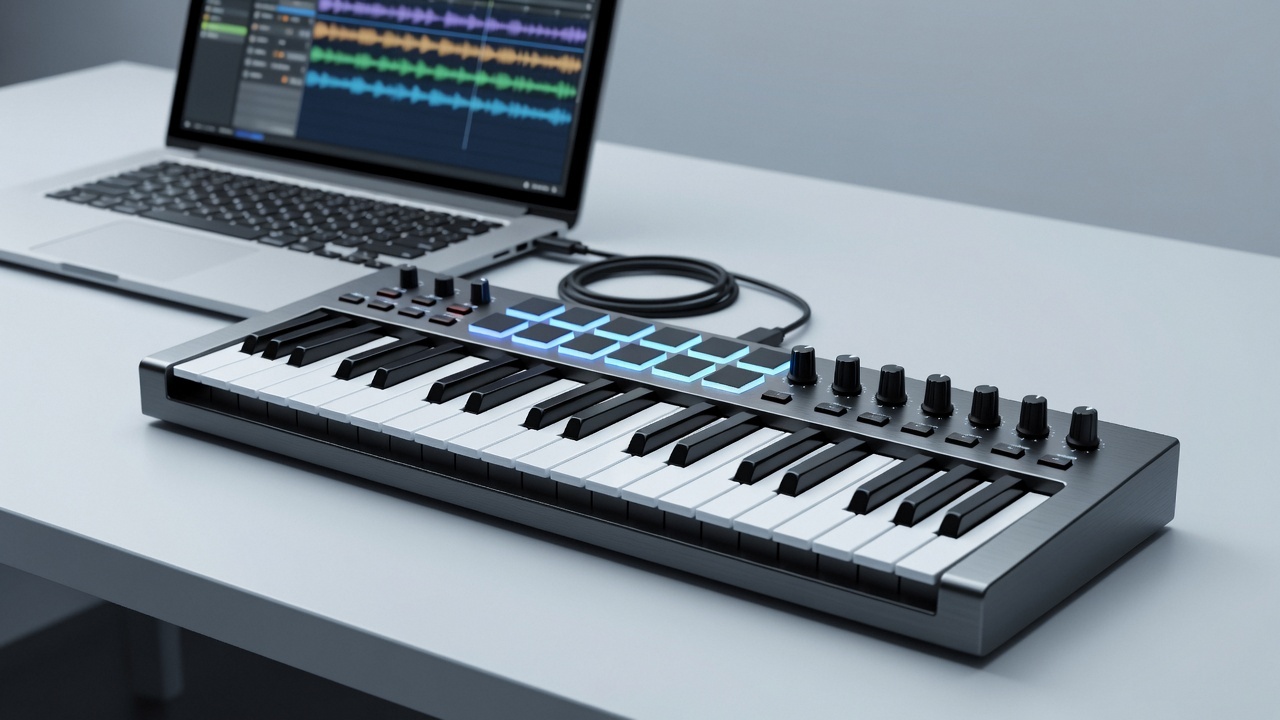
A MIDI controller is a different category. It has no real sound engine of its own. It sends MIDI data, note numbers, velocity, knob and fader positions, down a USB or DIN MIDI cable to whatever is listening. That is the whole job.
What a Digital Keyboard Gives You
Plug it in, switch it on, play. That is the appeal and it is not a small one. When you sit down at 9pm after work, you want sound in three seconds, not a driver update.
The practical wins:
- Instant sound. Speakers built in, headphone jack, often a decent sustain pedal included.
- A defined instrument. You learn one thing deeply instead of configuring five things badly.
- Resale value. Digital pianos from the major brands hold value well.
- A path to playing live. Many have line outs and can go straight into a PA.
The trade-offs are equally clear. You are locked into the sounds the manufacturer shipped. Editing is limited or nonexistent. Weight and size become a problem if you move often.
Weighted keys are the real selling point
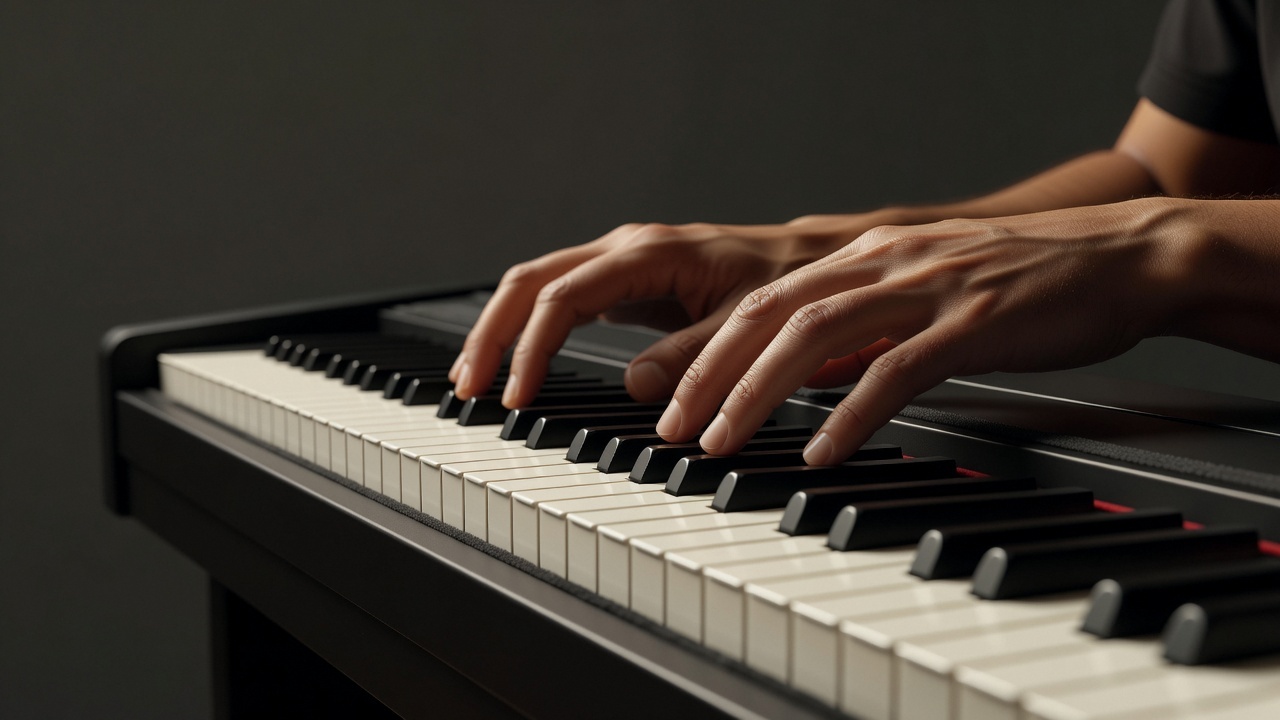
This is the part beginners underestimate. Weighted keys use a hammer mechanism that resists your finger the way an acoustic piano does. Heavier at the bottom of the key travel, springing back with real momentum.
If you plan to play piano music, weighted keys are not a luxury. They build hand strength, teach you to control dynamics, and stop you from developing a light-fingered technique that falls apart on an acoustic. Most 88-key digital pianos are graded, meaning the bass keys feel heavier than the treble, exactly like a real grand.
What a MIDI Controller Gives You
A MIDI controller is a tool, and tools do not make music until someone else shows up. In this case, the someone else is your computer, your iPad, or a hardware synth module.
What you gain:
- Any sound you can install. Piano libraries, orchestral libraries, vintage synths, drum machines. Thousands of options.
- Recording built in. Everything you play is already a MIDI track. Fix a wrong note later without re-recording.
- Hands-on control. Knobs, faders, pads and wheels mapped to your software. This is where producers get fast.
- Small and cheap. A 25-key controller fits in a backpack and costs less than a decent pedal.
What you lose:
- No sound without a setup. Computer on, interface connected, DAW open, track armed, plugin loaded. That is five steps before the first note.
- Latency and drivers. Usually manageable, occasionally maddening.
- Keybed compromises. At the budget end, controller keybeds can feel hollow and clacky.
Digital piano vs MIDI keyboard is not really a fair fight
They are aimed at different jobs. A digital piano is an instrument. A MIDI keyboard is an input device. Asking which is better is like asking whether a guitar is better than a microphone.
The fair question is which one your week actually calls for. If you practise scales and repertoire, you want the instrument. If you build beats and arrangements in a DAW, you want the controller.
Weighted Keys, Semi-Weighted, Synth Action
Key action is the spec that changes how the keyboard feels more than any other, and it decides what you can realistically play.
- Fully weighted / hammer action. Heaviest. Best for piano, classical, jazz, anything where dynamics matter. Harder to play fast organ or synth parts on.
- Semi-weighted. A middle ground. Springs plus a light counterweight. Good for pop, worship bands, and players who switch between piano and synth sounds in one set.
- Synth action. Light and fast, springs only. Ideal for lead lines, arpeggios, and anything with a lot of quick repeats. Poor for building piano technique.
- Waterfall keys. Flat-fronted, popular on organ clones. Designed for palm smears and glissandos.
If you are a beginner and you only buy one keyboard, weighted keys are the safer long-term bet. If you already own a piano and you want a second board for gigs, semi-weighted or synth action will feel liberating.
One more thing worth checking: velocity sensitivity. Almost every modern keyboard has it, but a few budget controllers only send fixed velocity from certain pads or keys. Read the spec sheet before you buy.
Three Setups That Actually Work
1. You want to learn piano
Buy an 88-key digital piano with graded weighted keys and a sustain pedal. Nothing else in this price range will do the job better. Ignore the hundreds of sounds you will never use and focus on the keybed.
2. You produce in a DAW
Buy a 49 or 61-key MIDI controller with aftertouch, eight pads and a few assignable knobs. Skip the weighted model, you will pay for hammer action you do not need and lose portability.
3. You do both
This is the most common situation and the most misunderstood. Buy a digital piano that has USB MIDI out, which almost all current models do. Then use it as a weighted controller for your software when you are producing, and as a standalone piano when you are not. One purchase, two jobs.
Gear that helps
Match the instrument to the job and you will not waste money on features you never touch. If you need a self-contained instrument with real weighted keys, browse our keyboard range first. If your music lives inside a computer and you need knobs, pads and portability, start with a MIDI keyboard.