5 Income Tips That Still Work for Independent Musicians
I have spent most of my career on the label side of this business, first at small indie imprints in Detroit, later in senior A&R and distribution roles at a major. So let me tell you something the streaming dashboards will never tell you on their own: the moment your entire income rides on one channel, you are not an artist anymore. You are a tenant.
That was already true before AI. Now it is urgent. AI-generated tracks are flooding the same playlists you are competing for, the cost of making a passable recording has collapsed to nearly zero, and every platform is quietly adjusting its payout model in ways that favor volume over craft. The pie did not shrink. The number of people holding forks has exploded.
Here is the good news. The musicians who are still making real money in 2026 are not the ones with the biggest streams. They are the ones who stopped treating streaming as the business and started treating it as one door out of several. These are the five income tips I still give every independent artist I work with, and every one of them holds up in the AI economy.
1. Treat streaming as a shop window, not a paycheck
Streaming has never been an income source for most independent artists. It is a discovery channel. The average payout per stream hovers around a fraction of a cent, and no independent musician I know has ever paid rent on streams alone. But a track that gets 40,000 plays on a playlist is worth far more as a signal that says “these people already like you” than it is as a direct deposit.
So use it that way. Push listeners from streaming toward a place where you actually keep the margin. That means a link in your bio that goes somewhere you own, a call to action at the end of the track, and a reason to convert. Streaming shows people your music. It was never supposed to feed you.
2. Own the direct line to your fans
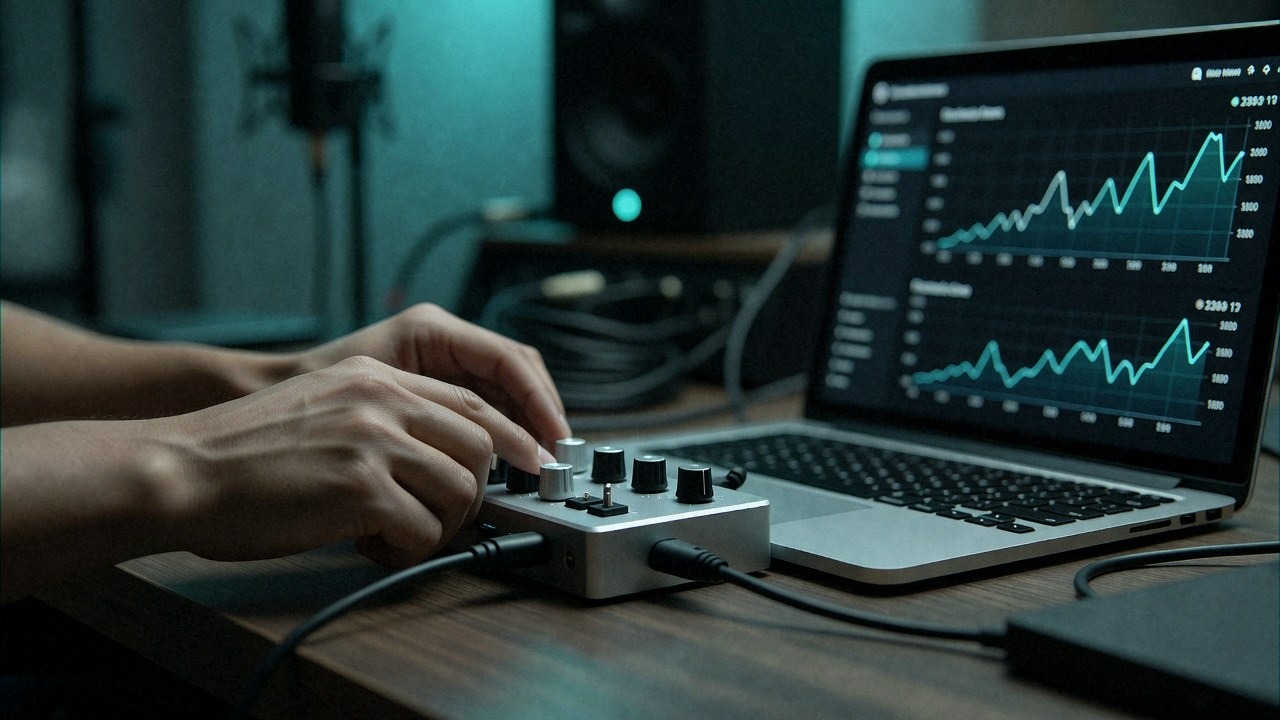
The single most valuable asset an independent musician can build is a list. Not a follower count on a platform you do not control, but an email list, a text list, a Discord, a fan club. Something where you can reach people without an algorithm deciding whether they see your message.
I have watched artists with 200,000 followers on a social platform sell 30 tickets in a city, because the reach was rented and the followers were passive. I have watched artists with 2,000 email subscribers sell out a small venue twice a year, every year, because those 2,000 people actually chose to hear from them.
Direct-to-fan income is the most resilient money in the industry. Pre-orders, memberships, limited vinyl, exclusive stems, a pay-what-you-want single. It does not depend on a playlist editor or a label advance. It depends on a relationship, and relationships are the one thing AI cannot clone.
3. License your catalog every way you legally can
There is a whole economy out there that pays for music, and most independent artists ignore it because they are waiting to be discovered by a label. Sync licensing for film, TV, games and ads. Stock music libraries. Sample packs built from your own sessions. Production music for the wave of AI video tools that suddenly need a soundtrack.
None of these require you to be famous. They require you to register your works properly, split the rights cleanly on paper, and pitch. A single well-placed sync can pay more than a year of Spotify streams for an artist at most levels. And as generative video explodes, the demand for clean, human-owned, properly cleared music is going up, not down. That is a gap AI filled with generic tracks, which means real catalog music stands out even more.
4. Diversify until no single stream can sink you
The defining financial mistake of the independent musician is dependency. One platform. One distributor. One revenue stream. One AI boom that changes the rules overnight.
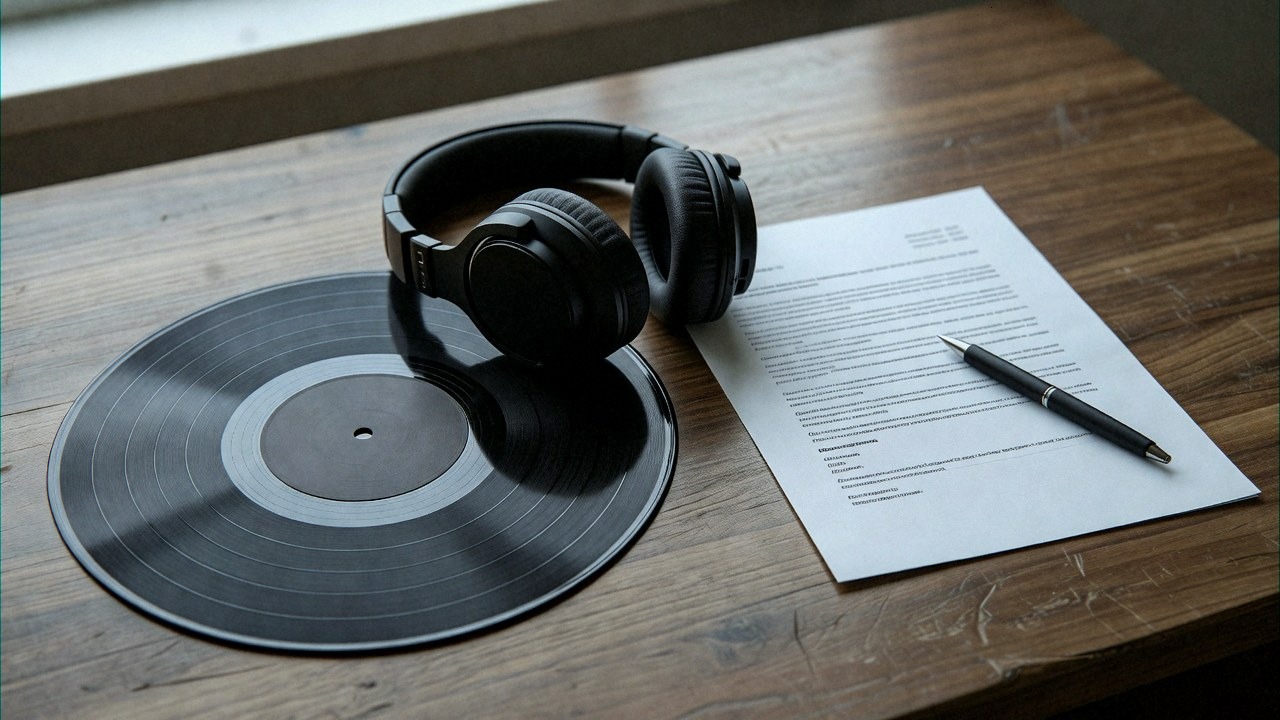
The artists who survive shocks are the ones whose income is spread across at least four or five unrelated sources. Live shows. Merch. Streaming. Sync. Direct sales. Teaching or session work. A patron platform. When one of them dips, the others carry you. When one of them spikes, you reinvest.
I have watched this play out twice now: once when streaming payouts were cut, and again as AI-generated music started diluting playlist attention. The artists who took a hit were the ones with a single fragile income. The ones who barely noticed had already spread their risk. Diversification is not a business school cliché. For an independent musician in 2026, it is the whole strategy.
5. Protect your rights before someone else profits from them
This is the tip nobody wants to hear, and it is the one that matters most in an AI economy. Your rights are a balance sheet item. Treat them like one.
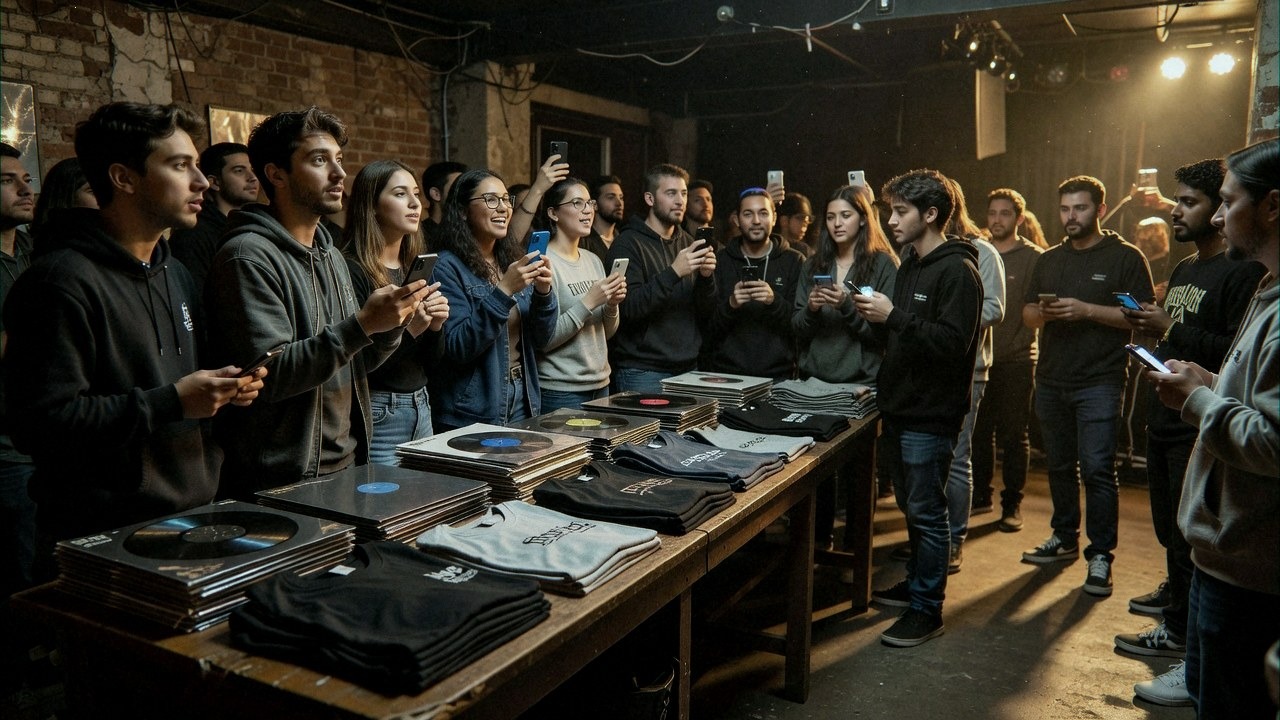
Register your works with the relevant collecting societies so performance and mechanical royalties actually reach you. Use split sheets on every collaboration so nobody rewrites history later. Keep clean metadata on every release, because unclaimed royalties and misattributed works are money evaporating in the background. And read the AI clauses in your distribution and label agreements, because some of them hand over the right to train models on your catalog.
The AI economy has a habit of monetizing things people forgot to claim. The independent musicians who come out ahead are the ones who claimed everything first. Your catalogue is an asset. Own it on paper, or you do not own it at all.
The bottom line
Here is what I tell every artist who asks me for the secret. There is no single paycheck coming. There never was, not for independent musicians. The money is in the portfolio: a fan list you own, a catalog you license, a direct line you control, several income sources that do not depend on each other, and rights you registered before anyone else could touch them.
AI changed the economics of making music. It did not change the economics of owning a relationship, a catalogue, or a body of work people actually care about. Those are still the things that pay, and they will keep paying as long as there are listeners who want something a human made.
Build the portfolio. Stop waiting for the one lucky break. The artists who understand this in 2026 are the ones who will still be here in 2036.
Damien Roberson has spent his career in the music business, from indie labels in Detroit to senior A&R and digital distribution roles at a major. He writes about the industry, artist development and building a career that lasts for all4music.