A combo packs the amplifier and the speaker into one box. A head is just the amplifier, so you pair it with a separate speaker cabinet. Both can sound fantastic, and the right answer depends on where you actually play, how you move your gear, and how much you want to tinker.
What Actually Separates Them
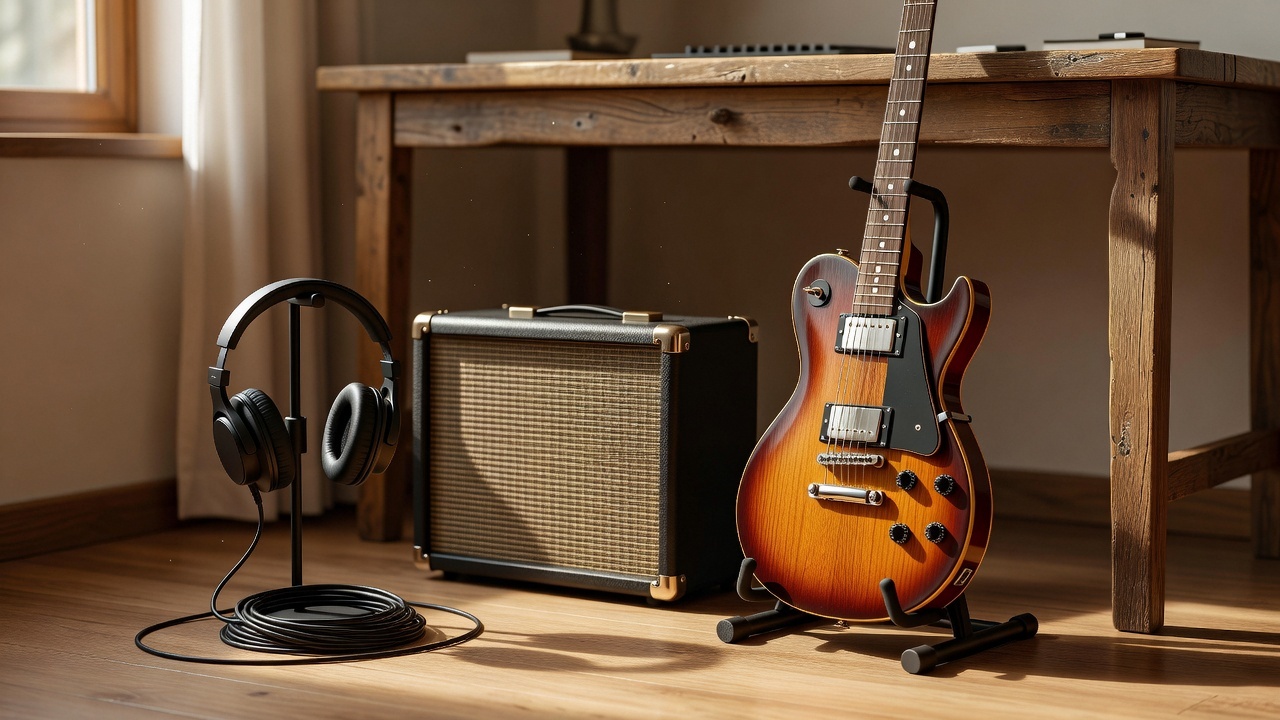
A combo is one box: chassis, speaker, sometimes a reverb tank, all in a single cabinet. You carry it in one trip, plug one power cable in, and you are done. Most beginner amps are combos for exactly that reason.
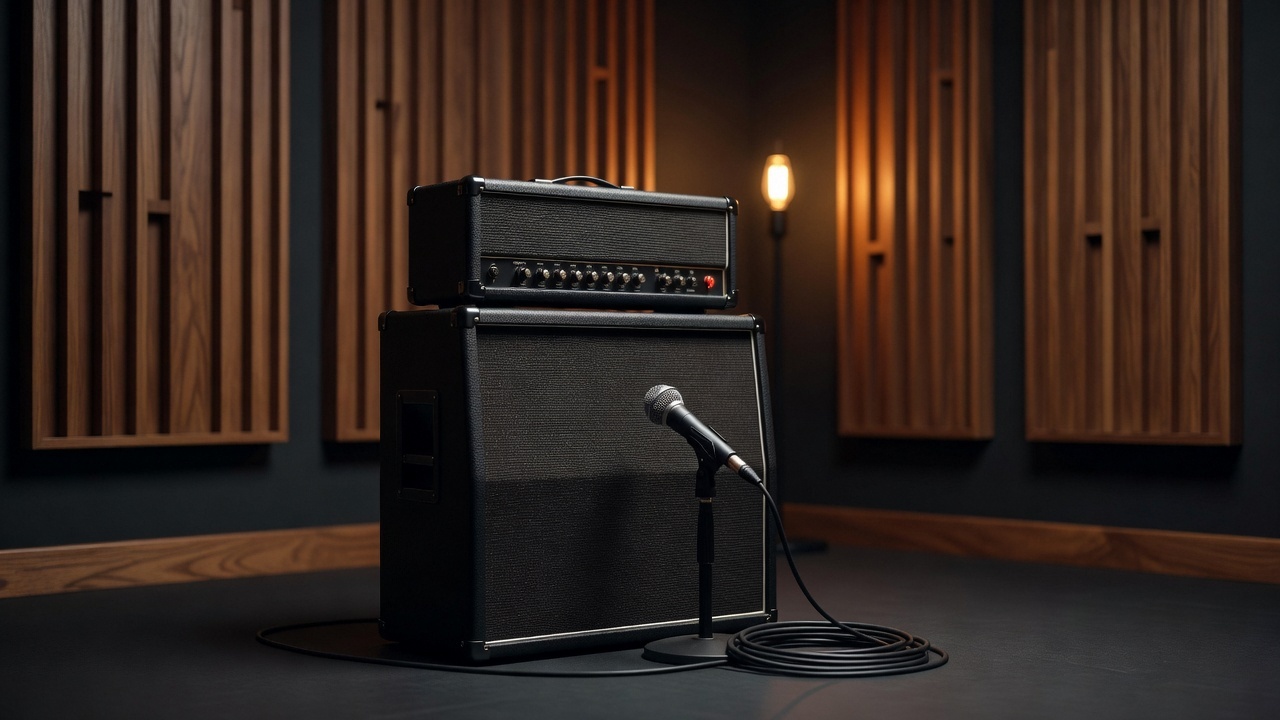
A head is the amplifier section only, with a speaker output on the back. It does nothing until you connect a cabinet with a matching impedance. Head plus cabinet is what people call a stack, though the word usually brings to mind a 100W head on a 4×12. A 20W head on a 1×12 cabinet is the same idea at a sane volume.
Three things change when you split them:
- Weight per piece. A head weighs around 8 to 15 kg. A 1×12 cabinet weighs around 12 to 18 kg. Two lighter boxes beat one 25 kg combo when you have stairs.
- Flexibility. One head can drive any cabinet you own. One combo is stuck with the speaker it shipped with.
- Cost. Buying separately usually costs more than a combo of the same quality, because you are buying two enclosures full of wood and hardware.
Home and Bedroom Playing
For most people practicing at home, a combo wins. A 5W to 15W combo with a 10 inch or 12 inch speaker gets loud enough to feel good and quiet enough to keep the neighbours calm. Solid choices include Fender-style 1×10 combos, small Vox and Marshall combos, and the many modelling combos that pack several amp voices into one box.
What actually matters at low volume
- A good master volume. An amp with a usable master volume at low settings beats a high-wattage amp turned down to a whisper.
- Power scaling or low-wattage modes. Many amps switch between 1W, 5W and 20W. That is genuinely useful at home.
- Headphone output. If you practice at night, this decides more than speaker choice does.
- An effects loop. Not essential for a beginner, but handy once you add delay and reverb pedals.
A head and cabinet at home works too, but you pay for it in floor space and in the extra cable run. The upside is that a head on a small 1×12 takes up roughly the same footprint as a combo.
Studio Work
In a studio, the cabinet is doing at least half the work. A closed-back 4×12 gives a tight, focused low end with strong projection. An open-back 1×12 combo sounds airier and fills a small room differently. Engineers care about which of those the amp is sitting in, because it changes what the microphone hears before any EQ is applied.
Why heads are handy in a studio
If you own a head and two cabinets, you effectively own two very different amps for the price of one cabinet. Swap cabs and the same head goes from bright and punchy to thick and dark. Studios that track a lot of guitars often keep one good head and a shelf of cabinets for exactly this reason.
Practical studio notes
- A head can live in the control room while the cabinet sits in the live room, connected by a long speaker cable. You tweak the knobs while the engineer listens.
- Small combos record beautifully. A 5W combo pushed into natural overdrive at a volume you can stand next to is one of the easiest guitar sounds to capture.
- If a speaker ever dies, a head and cab rig lets you swap one part instead of retiring the whole amp.
Live Playing
What you need on stage depends on the room and on whether the PA is doing the heavy lifting.
Combo on stage
For small clubs, jazz gigs, blues trios and singer-songwriter sets, a decent 1×12 combo at 15W to 30W is plenty, especially if you mic it or take a line out to the PA. Tilt the amp back or put it on a stand so it points at your ears rather than your knees. You will hear yourself better and play quieter.
Head and cabinet on stage
In bigger rooms or on a loud backline, a 20W to 50W head into a 1×12 or 2×12 gives you more headroom and more control over projection. The modular setup is also easier to move in a van: head in a padded bag on the seat, cabinet in the back. If a speaker blows mid-tour, you borrow a cabinet and keep playing. With a combo, you are done for the night.
The volume myth
A 100W stack is not required to play in a loud band. A 20W amp into an efficient speaker can be painfully loud. Speaker sensitivity matters as much as wattage: a 97dB speaker turns 20W into serious volume. Choose the cabinet for the tone and the size for the room, not the number printed on the front panel.
Combo vs Stack: The Honest Trade-offs
Transport and setup
Combo wins on simplicity. One trip from the car, one cable, done. Head plus cabinet is two trips and a speaker cable, but each piece is lighter and easier to fit through a door or up a narrow staircase.
Sound
Neither is better. A 1×12 combo is a specific sound. A closed-back 2×12 running the same circuit is a different, bigger sound. If you love the open, immediate feel of a combo, buying a stack will not automatically make you happier.
Cost and repairs
Combos are cheaper at the same quality level. Heads and cabinets cost more because you are buying two enclosures. On the other hand, a head can be repaired without touching the speaker, and a cabinet can be re-speakered without touching the amp.
Resale and upgrading
Heads and cabinets hold value well and sell separately. A combo is one item. If you like swapping gear, separate components are easier to move on.
A Quick Decision Path
- Ask where you play at least 80 percent of the time. If that is a bedroom or a small room, buy a combo.
- If you gig in small venues and want one trip, buy a 15W to 30W 1×12 combo with a good master volume or a low-power switch.
- If you record often, play medium to large stages, or enjoy changing speakers, buy a head plus a 1×12 cabinet to start. Add a 2×12 or 4×12 later.
- Check impedance before you buy a cabinet. Match it to the head’s output, or use a mismatch the manufacturer explicitly allows.
Gear that helps
Browse our Guitar Amplifiers for combos in every wattage, then look at Guitar Amplifier Heads if you want to build a modular rig. If you go the separate route, pair your head with a cabinet from our Guitar Cabinets range and confirm the impedance before you order.