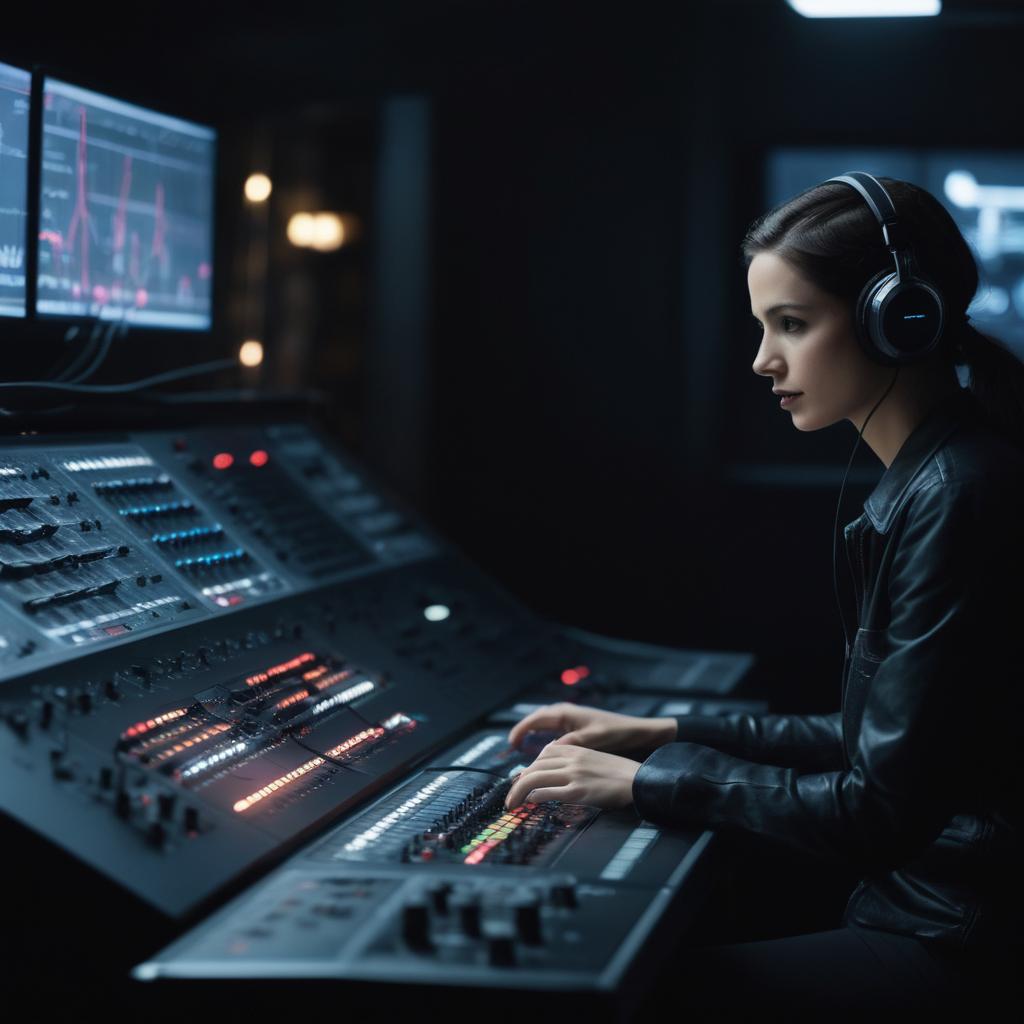
The threats of AI in Music: Creativity at Risk
In recent years, Artificial Intelligence (AI) has revolutionized the music industry, enabling the creation of new and innovative sounds that were previously impossible to produce by human musicians. However, this technological advancement also raises concerns about creativity, authorship, and the role of humans in the creative process.
The rise of AI-generated music has led to a blurring of lines between human creativity and machine-made art. With AI algorithms capable of producing music that is indistinguishable from that created by humans, it becomes increasingly difficult to determine what constitutes “original” work. This raises questions about authorship and ownership, as the use of AI in music production challenges traditional notions of creative responsibility.
One of the most significant concerns is that the reliance on AI-generated music could lead to a homogenization of sound, as machines are programmed to produce what is considered “acceptable” or “popular.” This could stifle creativity and innovation in music, leading to a lack of diversity and originality. The music industry has always thrived on its ability to push boundaries and challenge conventional norms, but the increasing use of AI-generated music raises concerns that this may be lost in the pursuit of efficiency and profit.
Moreover, the use of AI in music production also raises questions about the role of humans in the creative process. If an AI algorithm can create a piece of music that is indistinguishable from one created by a human, what is the point of having a human involved at all? This could lead to a situation where machines are used to produce music, and humans are relegated to the role of mere spectators or consumers.
However, not everyone shares these concerns. Some argue that AI-generated music offers a new frontier for creative exploration. With the ability to generate infinite variations of a particular style or sound, AI algorithms can help musicians create new and interesting sounds that might not have been possible otherwise. This could lead to a new era of musical innovation, as machines and humans collaborate to push the boundaries of what is possible.
Despite these potential benefits, the dark side of AI in music cannot be ignored. The increasing use of AI-generated music raises concerns about creativity, authorship, and ownership, and it challenges traditional notions of creative responsibility. As the music industry continues to evolve, it will be essential to consider the implications of AI-generated music on the creative process and ensure that human musicians are not replaced by machines.
The Impact of AI-Generated Music on Creativity
One of the most significant concerns about AI-generated music is its potential impact on creativity. With machines capable of producing music that is indistinguishable from that created by humans, it raises questions about what constitutes “original” work. If a machine can create a piece of music that is identical to one created by a human, does it matter who actually created it?
This concern is not limited to the music industry alone. The increasing use of AI-generated content in other fields, such as art and literature, raises similar questions about creativity and authorship. As machines become increasingly capable of producing high-quality creative work, it challenges traditional notions of what it means to be a creator.
Moreover, the reliance on AI-generated music could also lead to a lack of diversity and originality in music. If machines are programmed to produce what is considered “acceptable” or “popular,” this could stifle creativity and innovation in music. The music industry has always thrived on its ability to push boundaries and challenge conventional norms, but the increasing use of AI-generated music raises concerns that this may be lost in the pursuit of efficiency and profit.
The Future of Music: Machines vs. Humans
As AI-generated music continues to gain popularity, it raises questions about the future of music production. Will machines eventually replace humans as the primary creators of music? Or will there be a place for both humans and machines in the creative process?
Some argue that AI-generated music offers a new frontier for creative exploration, while others see it as a threat to human creativity and innovation. However, one thing is certain: the future of music production will be shaped by the increasing use of AI technology.
In the short term, it is likely that humans and machines will continue to collaborate in the creative process. Machines will be used to generate ideas and produce music, while humans will refine and edit the final product. However, as AI technology continues to advance, it is possible that machines could eventually become capable of producing high-quality music without human intervention.
In this scenario, the role of humans in music production would likely change significantly. Instead of being the primary creators of music, humans might be relegated to the role of mere spectators or consumers. This raises significant questions about the value and relevance of human creativity in the age of AI-generated music.
Conclusion
The rise of AI-generated music has been a double-edged sword for the music industry. On one hand, it has enabled the creation of new and innovative sounds that were previously impossible to produce by human musicians. However, on the other hand, it raises concerns about creativity, authorship, and ownership.
As AI technology continues to advance, it is essential to consider the implications of AI-generated music on the creative process. By exploring the potential benefits and drawbacks of AI-generated music, we can work towards creating a future where machines and humans collaborate to push the boundaries of what is possible in music production.
In conclusion, while AI-generated music raises concerns about creativity, authorship, and ownership, it also offers a new opportunity for innovation and exploration in the music industry. As technology continues to advance, it will be essential to consider the implications of AI-generated music on the creative process and ensure that human musicians are not replaced by machines.
The Future of Music: A Speculative Analysis
As we look towards the future of music production, it is likely that AI-generated music will play an increasingly significant role. However, what does this mean for the future of music itself? Will machines eventually replace humans as the primary creators of music?
One possible scenario is that AI-generated music becomes so advanced that it is indistinguishable from human-created music. In this scenario, the value and relevance of human creativity in music production would likely be called into question.
Another possible scenario is that AI-generated music becomes a tool for human musicians to use in their creative process. Machines could be used to generate ideas and produce music, while humans refine and edit the final product.
A third possibility is that AI-generated music becomes so ubiquitous that it completely replaces human-created music. In this scenario, the role of humans in music production would likely change significantly, and we might see a new era of machine-made art that challenges traditional notions of creativity and authorship.
The Dark Side of AI-Generated Music: A Cautionary Tale
As AI-generated music continues to gain popularity, it is essential to consider the potential risks associated with its use. One of the most significant concerns is that AI-generated music could lead to a homogenization of sound, as machines are programmed to produce what is considered “acceptable” or “popular.”
This raises significant questions about creativity and innovation in music production. If machines are used to produce music that is identical to what has been produced before, where is the incentive for human musicians to create original work?
Moreover, the use of AI-generated music also raises concerns about authorship and ownership. If an AI algorithm creates a piece of music, who owns the copyright? Is it the human who programmed the algorithm or the machine itself?
In conclusion, while AI-generated music offers a new opportunity for innovation and exploration in the music industry, it also raises significant concerns about creativity, authorship, and ownership. As technology continues to advance, it will be essential to consider the implications of AI-generated music on the creative process and ensure that human musicians are not replaced by machines.
The Future of Music: A Call to Action
As we look towards the future of music production, it is essential to consider the potential risks associated with the increasing use of AI-generated music. One possible scenario is that machines eventually replace humans as the primary creators of music, leading to a homogenization of sound and a lack of diversity and originality in music.
However, there are also potential benefits to the increasing use of AI-generated music. Machines could be used to generate ideas and produce music, while humans refine and edit the final product. This could lead to a new era of musical innovation, as machines and humans collaborate to push the boundaries of what is possible.
In conclusion, while AI-generated music raises concerns about creativity, authorship, and ownership, it also offers a new opportunity for innovation and exploration in the music industry. As technology continues to advance, it will be essential to consider the implications of AI-generated music on the creative process and ensure that human musicians are not replaced by machines.
The Dark Side of AI in Music: A Final Analysis
In conclusion, while AI-generated music offers a new opportunity for innovation and exploration in the music industry, it also raises significant concerns about creativity, authorship, and ownership. As technology continues to advance, it will be essential to consider the implications of AI-generated music on the creative process and ensure that human musicians are not replaced by machines.
One possible scenario is that machines eventually replace humans as the primary creators of music, leading to a homogenization of sound and a lack of diversity and originality in music. However, there are also potential benefits to the increasing use of AI-generated music, including the ability for machines and humans to collaborate and push the boundaries of what is possible.
Ultimately, the future of music production will be shaped by the increasing use of AI technology. As we look towards this future, it is essential to consider the potential risks and benefits associated with AI-generated music and ensure that human musicians are not replaced by machines.
The Dark Side of AI in Music: A Final Warning
As we conclude our analysis of the dark side of AI in music, it is essential to reiterate the significant concerns associated with the increasing use of AI-generated music. Machines could eventually replace humans as the primary creators of music, leading to a homogenization of sound and a lack of diversity and originality in music.
However, there are also potential benefits to the increasing use of AI-generated music, including the ability for machines and humans to collaborate and push the boundaries of what is possible. Ultimately, the future of music production will be shaped by the increasing use of AI technology.
As we look towards this future, it is essential to consider the potential risks and benefits associated with AI-generated music and ensure that human musicians are not replaced by machines. The dark side of AI in music is a cautionary tale about the potential consequences of relying too heavily on machine-made art.
Your article highlights the potential threats of AI-generated music, but I believe that it overlooks the incredible opportunities for collaboration and innovation that this technology presents. As we take our road trip through the future of music, let’s not forget that AI is not a replacement for human creativity, but rather a tool to augment and enhance it – just like the right song on the radio can inspire us to new heights. What if, instead of fearing the rise of AI-generated music, we saw it as an opportunity to push the boundaries of what is possible and create something truly remarkable? Music creativity at risk because of AI content: Is that really a question, or is it just a fear-based assumption waiting to be challenged?
I agree with Julian’s astute observation that the article’s repetitive warnings about AI-generated music are undermined by its own reliance on algorithmic writing, and I’d like to add that today’s news of Scotland’s crushing victory over Portugal serves as a reminder that even human creativity can be overshadowed by technological superiority.
As we navigate the uncertain future of music production, I believe it’s crucial to recognize that AI-generated music can be a double-edged sword, capable of both revolutionizing creativity and stifling originality. Will humanity find a way to harness the potential of AI while preserving the unique spark of human innovation, or will machines eventually dominate the musical landscape?