 Yamaha CGS104A
 Ibanez VC50NJP
 Stagg C430 M
 Martin Guitars D-15M
 Yamaha APX600FM
 Martin Guitars GPC-X2E
 Yamaha LL6 ARE
 Fender Stevie Ray Vaughan Stratocaster
 Kramer Baretta Electric Guitar Jumper Red
 Fender Player Stratocaster Pau Ferro
 Kramer Focus VT-211S Electric Guitar Neon Green
 Epiphone Slash Les Paul Standard
 Vox AC15C1 Limited Edition
 Taylor 110e
 Ibanez Promethean P3110
 Yamaha MX49 II
 Yamaha CP300
 Squier By Fender Classic Vibe 70s Stratocaster
 M-Audio Keystation 88es
 Akai MPC Live II
 Takamine GD93
 Gibson J-45 Studio Walnut
 Martin Guitars D-10E
 Gretsch G5021WPE
 Yamaha PSR-S670
 Tanglewood TWR2 PE
 Roland E-A7
 Taylor AD17e
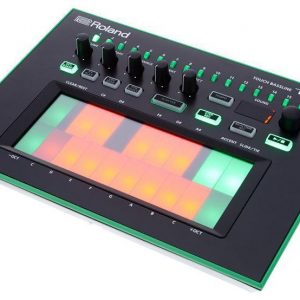 Roland TB-3
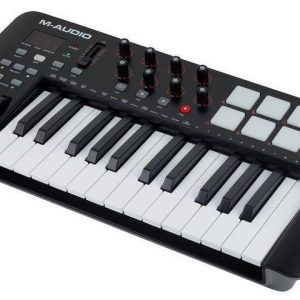 M-Audio Oxygen 25 MK4
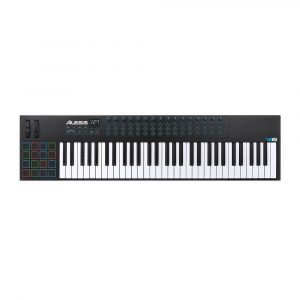 Alesis VI61
 Nux Mighty Air
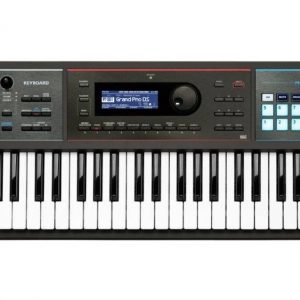 Roland Juno-DS61
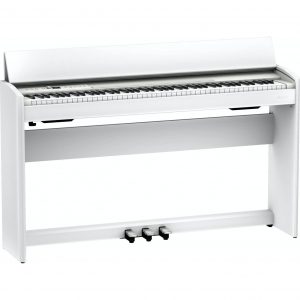 Roland F701
 TC Electronic BG250-210
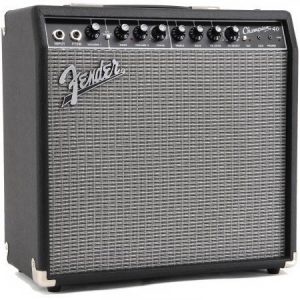 Fender Champion 40
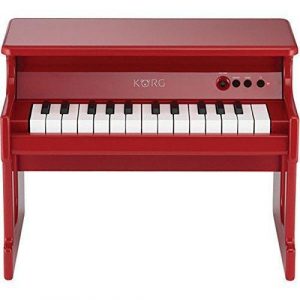 Korg tinyPIANO
 Ibanez AS73
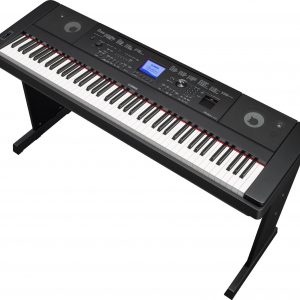 Yamaha DGX-660
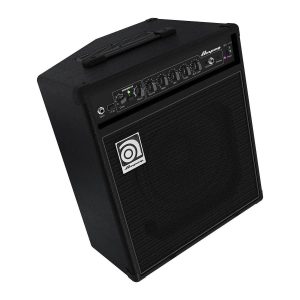 Ampeg BA-110 V2
 Boss Katana-Artist MkII
 Orange Rockerverb 50 MK3
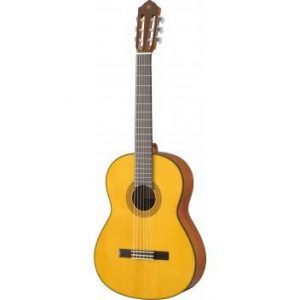 Yamaha CG142S
 Marshall JVM205H
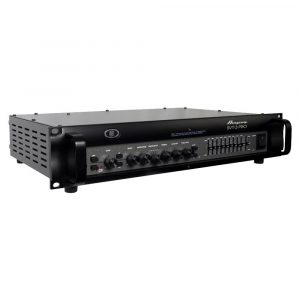 Ampeg SVT-3PRO
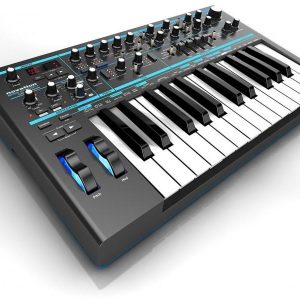 Novation Bass Station II
 Roland FP-30
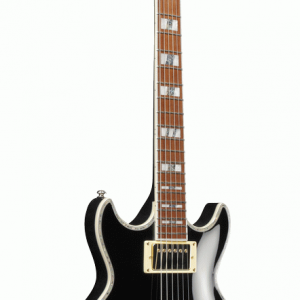 Ibanez AR520H
 Roland RD-2000
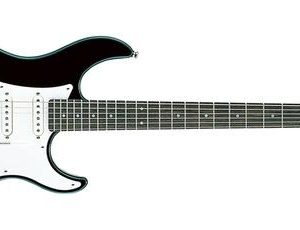 Yamaha Pacifica 112J
 Marshall JVM205C
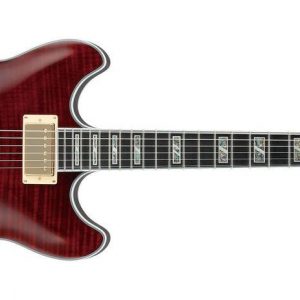 Ibanez EKM10T
 Cort Earth70
 Fender Rumble 210 Cabinet
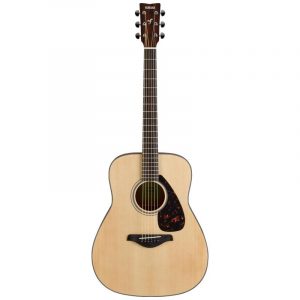 Yamaha FG800M
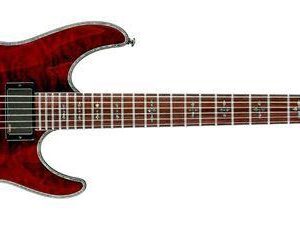 Schecter Hellraiser C-1
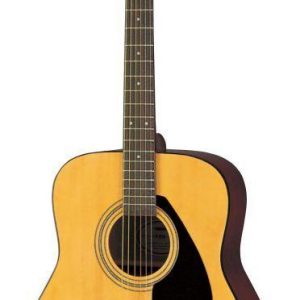 Yamaha F310

Description
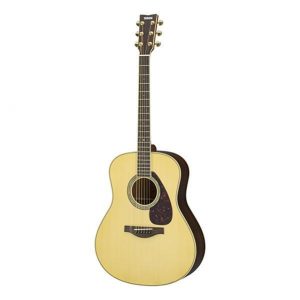
Yamaha is a well-known brand in the music industry, and they have been producing high-quality guitars for many years. Their LL6 ARE acoustic guitar is no exception. This guitar is built with a solid Engelmann Spruce top, a rosewood back and sides, and a 5-ply neck made from mahogany and rosewood.
One of the unique features of this guitar is its Acoustic Resonance Enhancement or ARE technology. This technology is employed during the guitar’s manufacturing process to artificially age the wood. ARE technology involves a process of controlling the temperature, humidity and atmospheric pressure to emulate the effect of the guitar aging over a period of several years. This process introduces chemical changes affecting the molecules, hence creating the same warm tone and projection that usually takes years of playing to achieve.
The Yamaha LL6 ARE also features an upgraded scalloped bracing pattern that both enhances the overall resonance of the guitar and makes playing more comfortable. The fingerboard is made from ebony, which is known for its durability and smooth playing surface. There are 20 frets on the fretboard, which allows guitarists to play a wide range of notes and chords.
The hardware on this guitar is of high quality. The open-gear tuners provide smooth and accurate tuning, and the saddle and nut are made from Urea Resin, a durable yet lightweight material. The bridge is also made from ebony, which helps transfer the vibrations of the strings to the soundboard, thereby creating a clear, articulate sound.
In terms of sound, the Yamaha LL6 ARE has a rich, warm tone with excellent projection. The midrange and treble frequencies are well balanced, and the bass is deep and resonant without overpowering the other frequencies. Thanks to the ARE technology which affects the molecular structure of the wood and promotes vibration, the guitar produces amazing resonance and sustain.
Overall, the Yamaha LL6 ARE acoustic guitar is an excellent choice for any guitarist looking for a quality instrument that delivers amazing sound and long-lasting durability. Whether you’re a beginner or a seasoned player, this guitar will provide you with all the features you need to create beautiful music.
Yamaha LL6 ARE properties
| Product name | LL6 ARE |
| Brand | Yamaha |
| Type | String Instruments |
| String Instruments | Acoustic Guitar |
| Number of Strings | 6 pcs |
| String Type | Nylon |
| Built-in Microphone | No |
| Handedness | Right-handed |
| Number of Frets | 20 |
| Cutaway | No Cutaway |
| Size | 4/4 |
| Wood Type (front) | Ebony |
| Wood Type (back) | Rosewood |
| Wood Type (body sides) | Rosewood |
| Wood Type (neck) | Mahogany, Rosewood |
| Wood Type (fretboard) | Rosewood |
| Colour | Ebony |

Viktor –
There is a lot to improve in every cheap guitar. These are not oil wrenches. You need to put glue, e.g. a drop, under the handles of the keys and spray the activator. Then the backlash will be eliminated. You always have to correct the saddle, select the lower ridge, adjust the curvature of the bar, make adjustments to the thresholds. Only then will it be easy and fun to play. A cheap guitar does not have factory hours for finishing, and cheap wood changes its shape and dimensions by itself.
Only guitars that are many times more expensive are perfect. If you are buying basic models, it is better to choose a more expensive store that has a luthier on board and will make corrections. These bargain prices are on profit margins of a few percent, so there is no chance of including solid service, adjustments and adjustments. Then the client is the tester. Either he will get to know him and give him corrections to the luthier, or he will not recognize him and he will tire.
This applies to all guitars below a certain amount. Comparison engines are great for buying washing machines and televisions, which are the same in every store. Instruments are a completely different story and a lot depends on the store itself, because each piece is different. The higher the price, the greater the chance that someone will add an hour of work and improve what needs to be done.