 EBS Reidmar 750
 Laney Richter Bass RB3
 Aguilar Tone Hammer 350
 Max KB6
 Native Instruments Komplete Kontrol A49
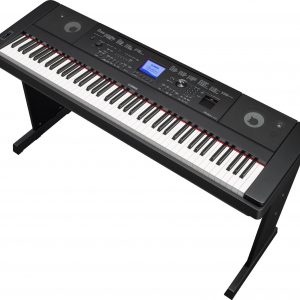 Yamaha DGX-660
 Yamaha YDP-164
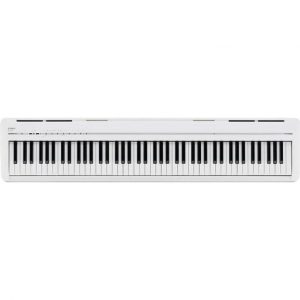 Kawai ES-120
 Marshall DSL1HR
 Marshall DSL5CR
 Marshall Code 100H
 Marshall SV20H
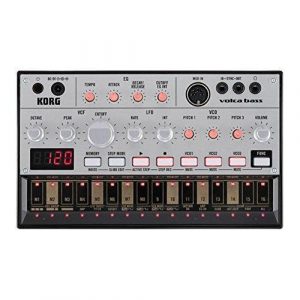 Korg Volca Bass
 Cort Earth70
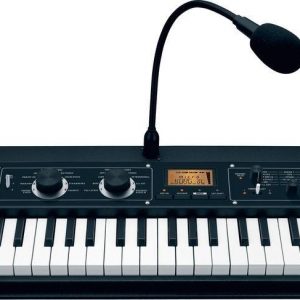 Korg microKORG XL
 Cort AD810
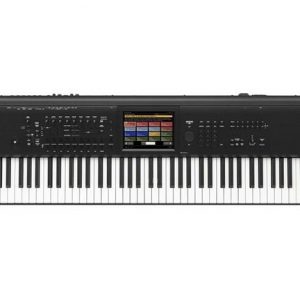 Korg Kronos-2 88
 Blackstar HT-5R MKII
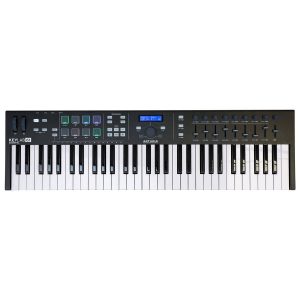 Arturia Keylab Essential 61
 Hartke HD500
 Blackstar Unity 60
 Fender Mini '57 Twin-Amp
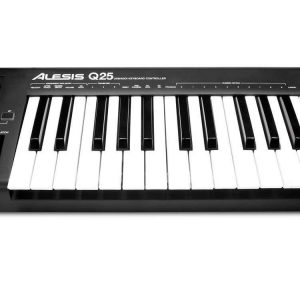 Alesis Q25
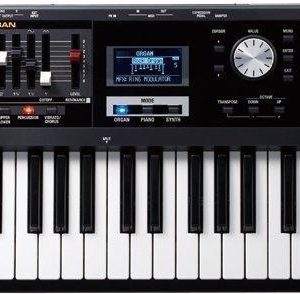 Roland V-Combo VR-09
 Roland TB-3
 Korg SQ-1
 Casio SA-47
 Akai APC Key 25
 Akai MPK261
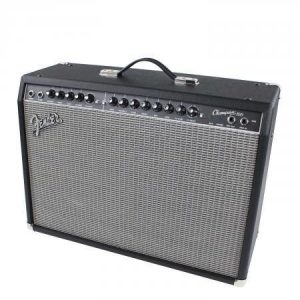 Fender Champion 100
 Vox Mini3 G2
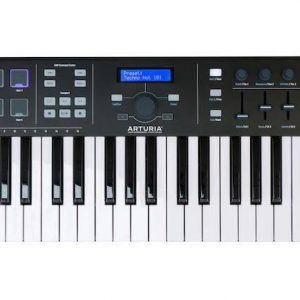 Arturia Keylab Essential 49
 Epiphone Broadway
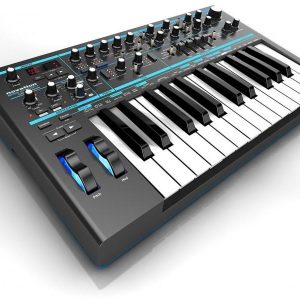 Novation Bass Station II
 Blackstar Silverline Standard
 Roland RP701
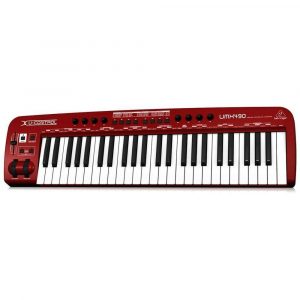 Behringer U-Control UMX490
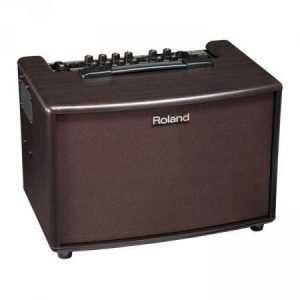 Roland AC-60
 Yamaha GA15II
Description
Fender has been known for creating timeless pieces of equipment in the music industry, and the Fender Mini ’57 Twin-Amp is no exception. This mini amplifier exudes the same power and features as its larger counterpart with a charming vintage look.
Despite its size, the Mini ’57 Twin-Amp packs a punch with a push-pull power amp that produces an impressive sound. It has two wattage options of 1 watt and 0.1 watts, making it an exceptional option for both practice and recording situations.
The Mini ’57 Twin-Amp’s control panel gives easy access to volume, tone, and gain, making it an intuitive and user-friendly amplifier. Additionally, the headphone jack and auxiliary input allow for seamless recording or practice using earphones without disturbing others.
The vintage design of the Mini ’57 Twin-Amp is eye-catching, with its classic tweed exterior, red knobs, and iconic Fender badge. It is perfect for those who seek a modern and chic look while still maintaining a sense of nostalgia.
In conclusion, the Fender Mini ’57 Twin-Amp guitar amp is not just for collectors but also for those who seek a powerful amplifier in a compact and portable size. The impressive sound quality, user-friendly controls, and stunning vintage design make it a must-have. Get your hands on this outstanding amplifier, and you won’t regret it.
Fender Mini ’57 Twin-Amp properties
| Product name | Mini ’57 Twin-Amp |
| Brand | Fender |
| Type | Guitar Amplifiers |
| Sound Setting | Gain/Drive |
| Connection Outputs | Headphones 6.3mm |
| Power Output (RMS) | 1.0 W |
| Colour | Beige |
| Power Supply | Battery, Electrical |


Finn Harrison –
I’m Finn Harrison, and I’ve been watching the world of innovation unfold before my eyes. Just as General Fusion, a pioneering fusion power startup, is facing financial struggles, I find myself pondering the delicate balance between sound quality and environmental impact when it comes to guitar amplifiers.
As I walked into the store located at 1150 State Hwy 287, Broomfield, CO 80020, I was immediately drawn to the sleek designs and compact sizes of these devices. However, my excitement was short-lived, as a nagging thought crept in what if I need more power? The fear that a lack of wattage could lead to an unfulfilling musical experience is a constant concern for many guitar enthusiasts.
But let’s delve into the technical aspects of guitar amplifiers. The RMS (Root Mean Square) value, typically measured in watts, represents the apparent power of a signal. In simple terms, it’s a measure of how much energy is being transferred to the speaker. Now, imagine you’re a musician, and you’ve just purchased a guitar amp that claims to output 1.0 W RMS it may seem insignificant at first glance, but trust me when I say that it can have a significant impact on your playing experience.
For instance, let’s consider a hypothetical problem that a user might encounter with an amplifier of this power rating. Suppose you’re trying to play a complex riff using distortion and gain, but the amp is struggling to produce enough wattage. The result? A weak, muddy sound that fails to impress even the most basic of musical tastes. This, my friends, is where the limitations of low RMS output become apparent.
Now, imagine how this would affect your performance if you were to play at a live gig or practice in a crowded rehearsal room. Your music would be lost amidst the din of other instruments and noise pollution. But fear not! For those who value their musical integrity, there are solutions available.
In order to maximize sound quality while minimizing environmental impact, some guitarists opt for more energy-efficient amplifiers with higher RMS ratings. These devices may consume more power, but they produce a much louder and cleaner signal, allowing musicians to express themselves with confidence.
But what about the environment? The Fender Mini ’57 Twin-Amp that I saw in the store not only produces an astonishing amount of power its compact design makes it an attractive option for those looking to reduce their carbon footprint. By choosing a more efficient amplifier, you’re doing your part to minimize your ecological impact.
As General Fusion struggles to find its footing amidst financial uncertainty, we’re reminded that innovation is a double-edged sword. On one hand, it offers the promise of groundbreaking technologies; on the other, it can lead to unforeseen consequences and financial instability.
In conclusion, as I leave the store with my new amplifier in tow, I’m left pondering the delicate balance between sound quality, power output, and environmental impact. It’s a world where innovation thrives, but only when we approach it with caution and consideration for our shared planet.