 Blackstar Silverline Standard
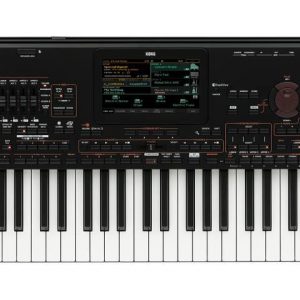 Korg Pa4X 76-key
 Korg Krome-61
 Dreadbox Typhon
 Korg Pa1000
 Fender Rumble 200 V3
 Fender Hot Rod DeVille 212 IV
 Fender 65 Twin Reverb
 Aguilar Tone Hammer 350
 Ampeg SVT-212AV
 Ampeg SVT-VR
 Fishman Loudbox Mini
 Hughes & Kettner GrandMeister Deluxe 40
 BluGuitar NanoCab
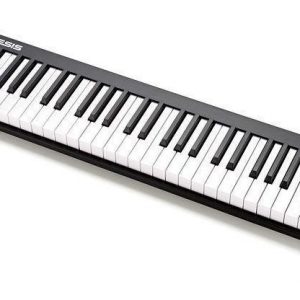 Alesis V61
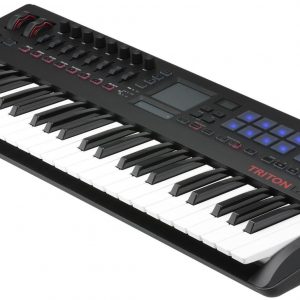 Korg Triton Taktile 49
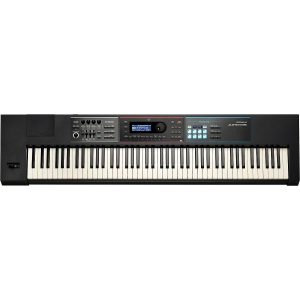 Roland Juno-DS88
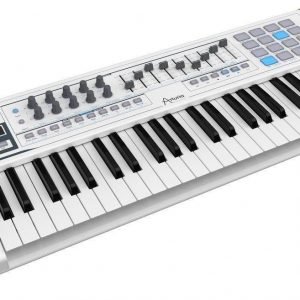 Arturia KeyLab 61
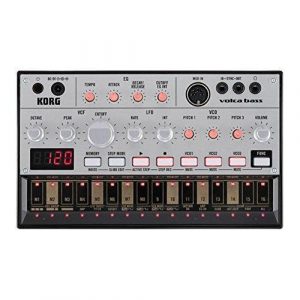 Korg Volca Bass
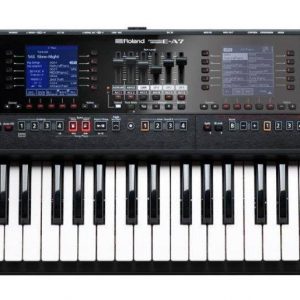 Roland E-A7
 Ibanez VC50NJP
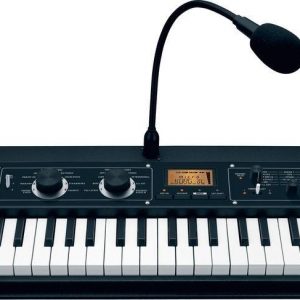 Korg microKORG XL
 Yamaha YDP-144
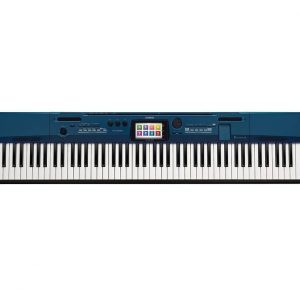 Casio PX-560
 Fender FA-125
 Fender CD-60SCE Dreadnought 12-String
 Taylor 214ce Plus
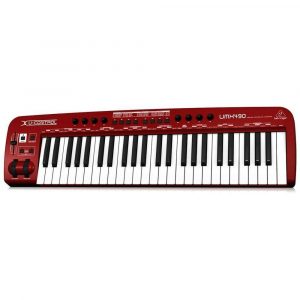 Behringer U-Control UMX490
 Yamaha CS40
 PRS SE A60E
 Yamaha C40 Classical
 Godin Multiac Grand Concert Encore
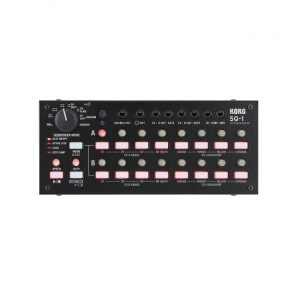 Korg SQ-1
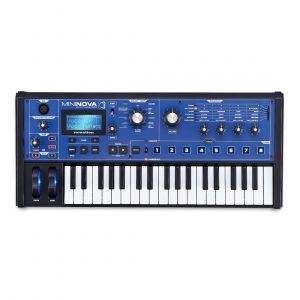 Novation MiniNova
 Yamaha GA15II
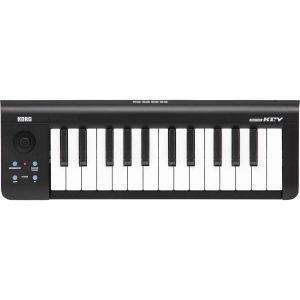 Korg microKey 25
 Yamaha EZ-220
 Akai MPC Live II
 Korg Kronos-2 88
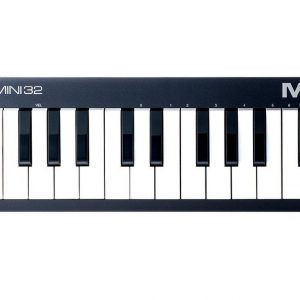 M-Audio Keystation Mini 32
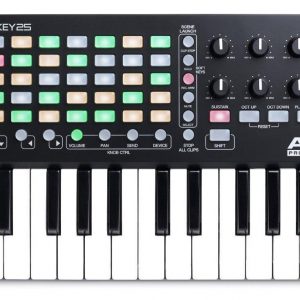 Akai APC Key 25
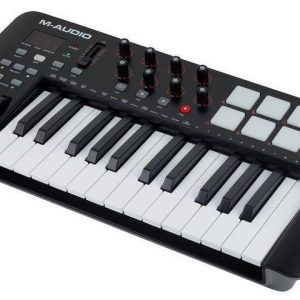 M-Audio Oxygen 25 MK4
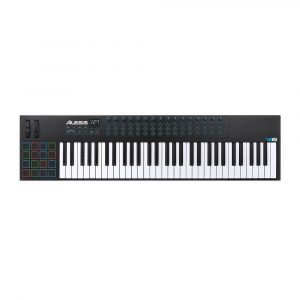 Alesis VI61
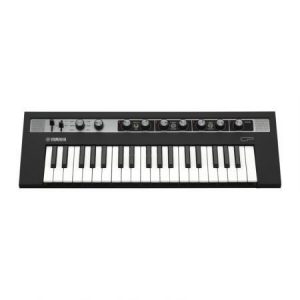 Yamaha Reface CP
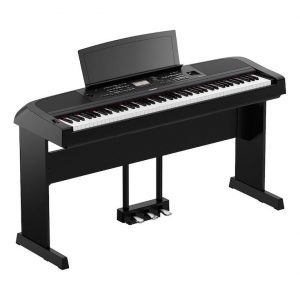 Yamaha DGX-670
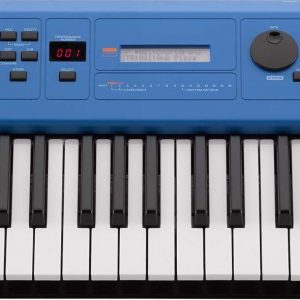 Yamaha MX49 II
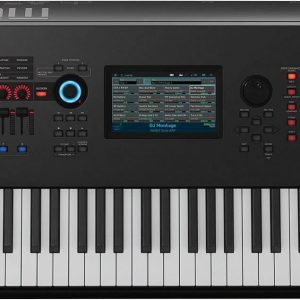 Yamaha Montage8
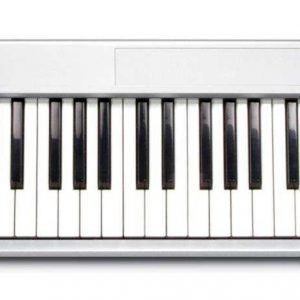 M-Audio Keystation 88es
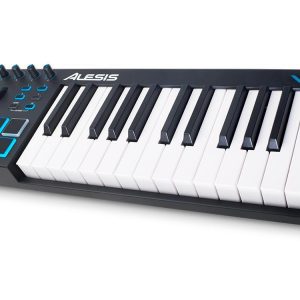 Alesis V25
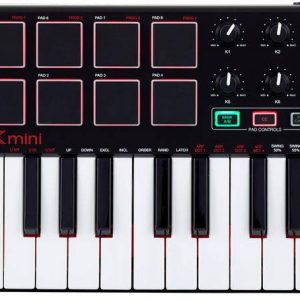 Akai MPK Mini MKII
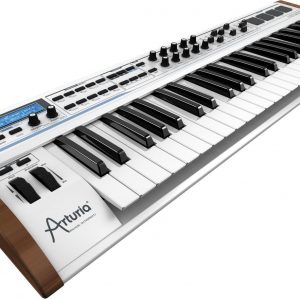 Arturia KeyLab 49
 Fender 65 Princeton Reverb
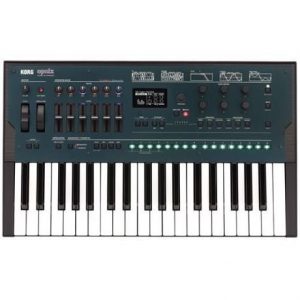 Korg Opsix Altered FM
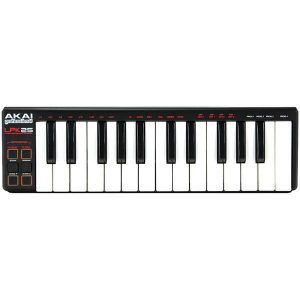 Akai LPK25
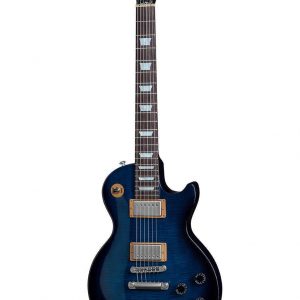 Gibson Les Paul Studio
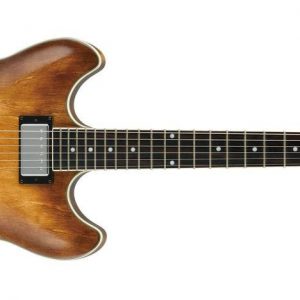 Ibanez AS73
 Yamaha Revstar RSP20CR
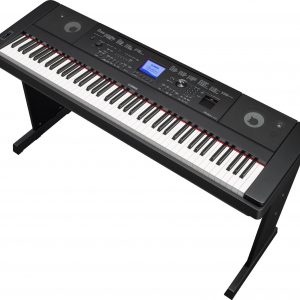 Yamaha DGX-660
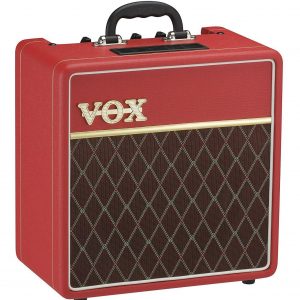 Vox AC4C1
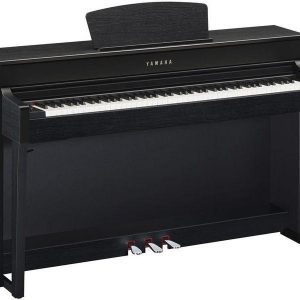 Yamaha CLP-635
 Alesis V49
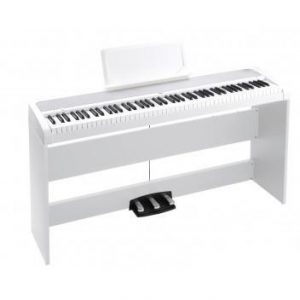 Korg B1SP

Description
The Yamaha CP88 is a professional stage piano that was introduced in 2019. It is designed for live performance and other professional applications, and features a range of advanced features and specifications that are intended to meet the needs of serious pianists and keyboard players.
One of the standout features of the Yamaha CP88 is its Natural Wood keyboard, which features a hammer action that replicates the feel of an acoustic grand piano. This feature is particularly useful for players who are used to playing on acoustic pianos and want to reproduce that same touch and feel on a digital instrument.
In addition to the keyboard, the CP88 also comes equipped with a range of high-quality sounds and voices, including grand pianos, electric pianos, organs, strings, and more. These sounds are powered by a new-generation, proprietary sound engine that is capable of delivering incredible realism, detail, and expression across the entire frequency range.
Other notable features of the Yamaha CP88 include its intuitive interface, which includes a large, full-color LCD screen and a range of dedicated controls and knobs for quick and easy sound shaping. It also comes with a range of onboard effects, including reverb, chorus, distortion, and more, as well as advanced connectivity options such as USB, MIDI, and audio inputs and outputs.
Overall, the Yamaha CP88 is a powerful and versatile stage piano that is ideal for live performance and other professional applications. Its Natural Wood keyboard, advanced sound engine, and onboard effects and connectivity make it a top choice for serious pianists and keyboard players.
Yamaha CP88 properties
| Product name | CP88 |
| Brand | Yamaha |
| Type | Keyboard Instruments |
| Keyboard Instrument | Stage and Digital Piano |
| Keys | Yes |
| Number of Keys | 88 pcs |
| Connections | 6.3mm (1/4″RTS), Headphone, MIDI, MIDI In, USB, XLR |
| Colour | Black |

Elliana –
Finally, someone is talking about something that actually matters – like music and not some boring space mission (no offense, I’m sure it’s all very exciting for the space nerds out there). I mean, don’t get me wrong, SpaceX blasting off two lunar landers to the moon this week? Yeah, okay, I’ll give them a pass. But let’s get back to what really matters – my sweet new Yamaha CP88.
So, about that feeling after buying my Yamaha CP88… It was like a mix of euphoria and relief all rolled into one. I mean, I’d been searching for the perfect digital piano online (yes, it’s a thing) for months, and finally, I found it. And let me tell you, it’s been a game-changer.
Now, about colour – specifically, black. Why did I choose black? Well, aside from it being sleek and sophisticated (which is basically just code for I’m a functioning adult), it’s also really versatile. It won’t get dirty easily (no more pesky fingerprints on the keys), and it looks amazing in any room. Plus, let’s be real, who doesn’t love a good black piano? It’s like the ultimate status symbol.
But enough about aesthetics – what about performance? The Yamaha CP88 is seriously impressive. I mean, have you seen the specs on this thing? 256-note polyphony? That’s right, folks, it can handle even my most epic improvisations without breaking a sweat (although, if I’m being honest, I do tend to get a bit carried away with those). And the sound quality? It’s like having a real piano in your living room (minus the whole it takes up an entire room thing).
Now, for some tips and tricks: when buying a digital or stage piano, make sure you check out reviews from actual musicians (not just some random dude on YouTube who thinks he’s a music expert). Also, consider the sound quality – do you want it to sound like a real piano, or more like a synth? And don’t even get me started on connectivity – do you need USB ports for recording purposes? It’s all about knowing what you’re looking for.
And hey, while we’re on the topic of exciting events (I mean, besides my new piano), have you heard about those two lunar landers blasting off to the moon this week? Yeah, I’m sure it’ll be a real blast (sorry, had to). But seriously, space is cool and all, but have you ever tried playing a beautiful melody on a Yamaha CP88 at 3 am in your living room? It’s basically out of this world.